
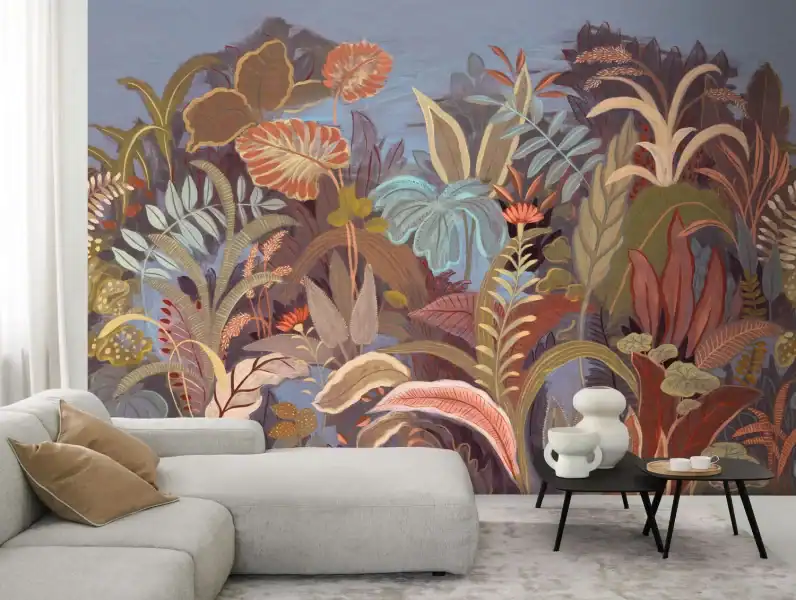
Wallpaper is a powerful medium for expressing personal style and transforming the atmosphere of a room. With a vast and ever-expanding array of designs, patterns, and textures available, the world of wallpaper can be both exciting and overwhelming.
Understanding the key characteristics of different design styles can help you to navigate this landscape with confidence, enabling you to choose a wallpaper that not only complements your home but also reflects your unique personality.
This guide will take you on a journey through the most influential wallpaper design styles, from the opulent and ornate to the clean and contemporary.
The Enduring Elegance of Traditional Styles
Traditional wallpaper styles are rooted in the rich history of decorative arts, drawing inspiration from centuries of design innovation. These styles are characterized by their timeless appeal, their commitment to craftsmanship, and their use of classic motifs and patterns.
Victorian: Opulence and Ornamentation
The Victorian era (1837-1901) was a period of unprecedented industrial growth and prosperity, and this was reflected in the opulent and ornate interiors of the time. Victorian wallpapers are characterized by their rich, dark colors, their complex, multi-layered patterns, and their use of luxurious materials such as flock and gilt. Floral patterns, particularly roses, were extremely popular, as were damasks, paisleys, and architectural motifs. Victorian design embraced the idea that “more is more,” and it was not uncommon for a single room to feature multiple wallpaper patterns on the walls, ceiling, and even the dado.
Arts and Crafts: The Beauty of Nature and Handcraftsmanship
Reacting against the mass-produced and often ostentatious designs of the Victorian era, the Arts and Crafts movement (1880-1920) championed the beauty of nature, the value of handcraftsmanship, and the importance of creating a harmonious and unified interior. Led by influential designers such as William Morris, the Arts and Crafts movement produced wallpapers with intricate, stylized patterns inspired by the flora and fauna of the English countryside. The color palettes were softer and more muted than those of the Victorian era, with an emphasis on earthy tones and vegetable dyes.
Art Nouveau: The Sinuous Lines of Nature
Art Nouveau (1890-1910) was a short-lived but highly influential design style that celebrated the sinuous, organic lines of nature. Art Nouveau wallpapers are characterized by their flowing, asymmetrical patterns, which often feature stylized flowers, insects, and the female form. The color palettes were often subtle and sophisticated, with an emphasis on muted greens, blues, and mauves.
The Rise of Modernism: A New Way of Seeing
The 20th century brought a radical shift in design thinking, as modernism rejected the ornamentation of the past in favor of clean lines, geometric forms, and a focus on function. This new way of seeing had a profound impact on wallpaper design, leading to the development of new styles that were both innovative and influential.
Art Deco: The Glamour of the Machine Age
Art Deco (1920-1940) was a style of glamour, luxury, and sophistication, a celebration of the machine age and the excitement of modern life. Art Deco wallpapers are characterized by their bold geometric patterns, their use of metallic finishes, and their exotic motifs inspired by ancient Egypt, Africa, and the Far East. The color palettes were often dramatic and high-contrast, with black, white, and gold being popular choices.
Mid-Century Modern: The Marriage of Form and Function
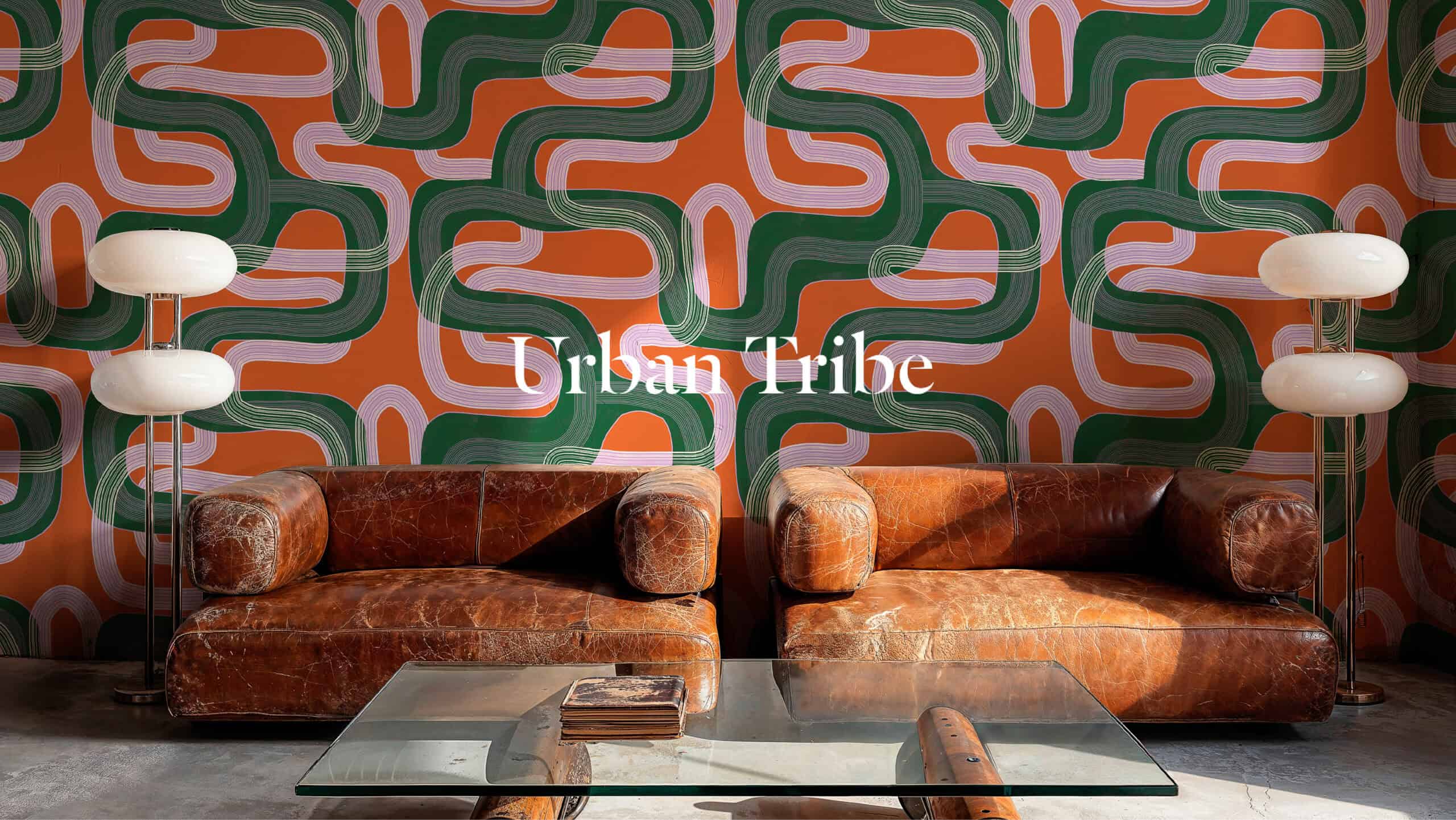
Mid-Century Modern (1945-1965) was a style that celebrated the marriage of form and function, creating designs that were both beautiful and practical. Mid-Century Modern wallpapers are characterized by their clean lines, their organic and geometric patterns, and their use of bold, optimistic colors. The patterns were often abstract and playful, reflecting the post-war spirit of optimism and progress.
Contemporary Styles: A World of Possibilities
Contemporary wallpaper design is a vibrant and eclectic landscape, drawing inspiration from a wide range of sources and embracing a diversity of styles. While it is difficult to define a single contemporary style, there are several key trends that have emerged in recent years.
Scandinavian: Simplicity, Functionality, and Natural Beauty
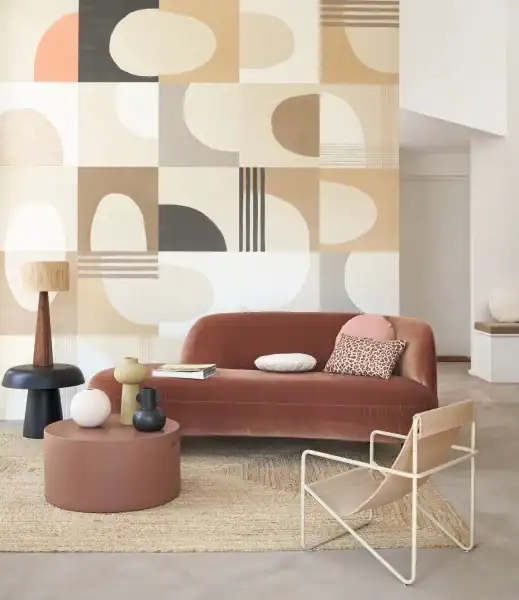
Scandinavian design is characterized by its simplicity, functionality, and its deep connection to the natural world. Scandinavian wallpapers often feature clean lines, simple geometric patterns, and motifs inspired by the forests and fjords of the Nordic countries. The color palettes are typically light and airy, with an emphasis on white, gray, and other neutral tones.
Industrial: The Raw Beauty of Urban Life
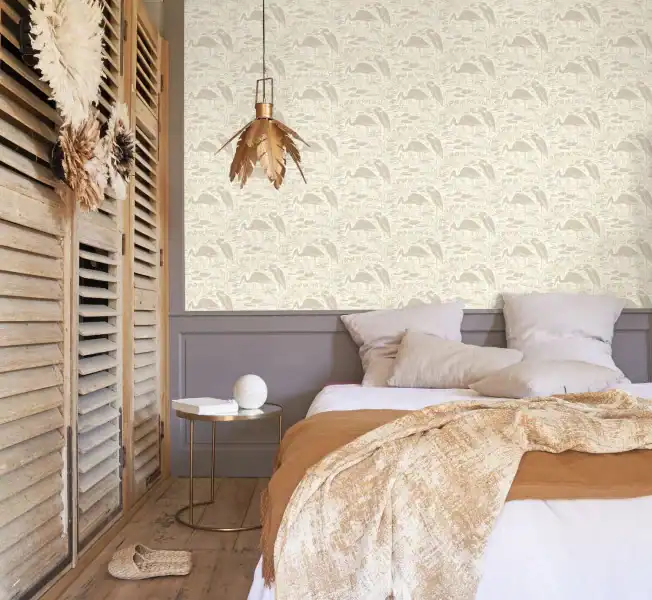
Industrial style celebrates the raw, unfinished beauty of urban life, drawing inspiration from warehouses, factories, and other industrial spaces. Industrial-style wallpapers often mimic the look of exposed brick, concrete, or distressed wood. The color palettes are typically neutral and monochromatic, with an emphasis on gray, black, and white.
Bohemian: A Free-Spirited and Eclectic Mix
Bohemian style is a free-spirited and eclectic mix of colors, patterns, and textures, a celebration of individuality and creativity. Bohemian wallpapers often feature bold, globally-inspired patterns, such as paisleys, ikats, and mandalas. The color palettes are typically warm and vibrant, with an emphasis on earthy tones, jewel tones, and a mix of different patterns and textures.
Identifying Your Personal Design Style
With so many design styles to choose from, it can be helpful to identify your own personal design preferences. Start by creating a mood board of images that you are drawn to, whether from magazines, websites, or social media. Look for common themes in the images you have chosen. Are you drawn to clean lines and simple forms, or do you prefer ornate and decorative patterns? Do you gravitate toward light and airy colors, or do you prefer dark and moody hues? Answering these questions will help you to identify your personal design style and narrow down your wallpaper choices.
The Art of Mixing Styles
While it can be helpful to identify your dominant design style, don’t be afraid to mix and match different styles to create a look that is uniquely your own. A traditional floral wallpaper can be given a modern twist with the addition of contemporary furniture and accessories. A bold, geometric Art Deco wallpaper can be softened with the addition of natural textures and organic forms. The key to successfully mixing styles is to find a common thread, whether it is a color, a shape, or a mood, that ties the different elements together.
Wallpaper is a powerful tool for creating a home that is a true reflection of your personality and style. By understanding the key characteristics of different design styles, you can make an informed and confident choice that will bring you joy for years to come. Whether you are drawn to the timeless elegance of traditional styles, the clean lines of modernism, or the eclectic mix of contemporary design, there is a wallpaper that is perfect for you.